Program Offerings 2026-2027
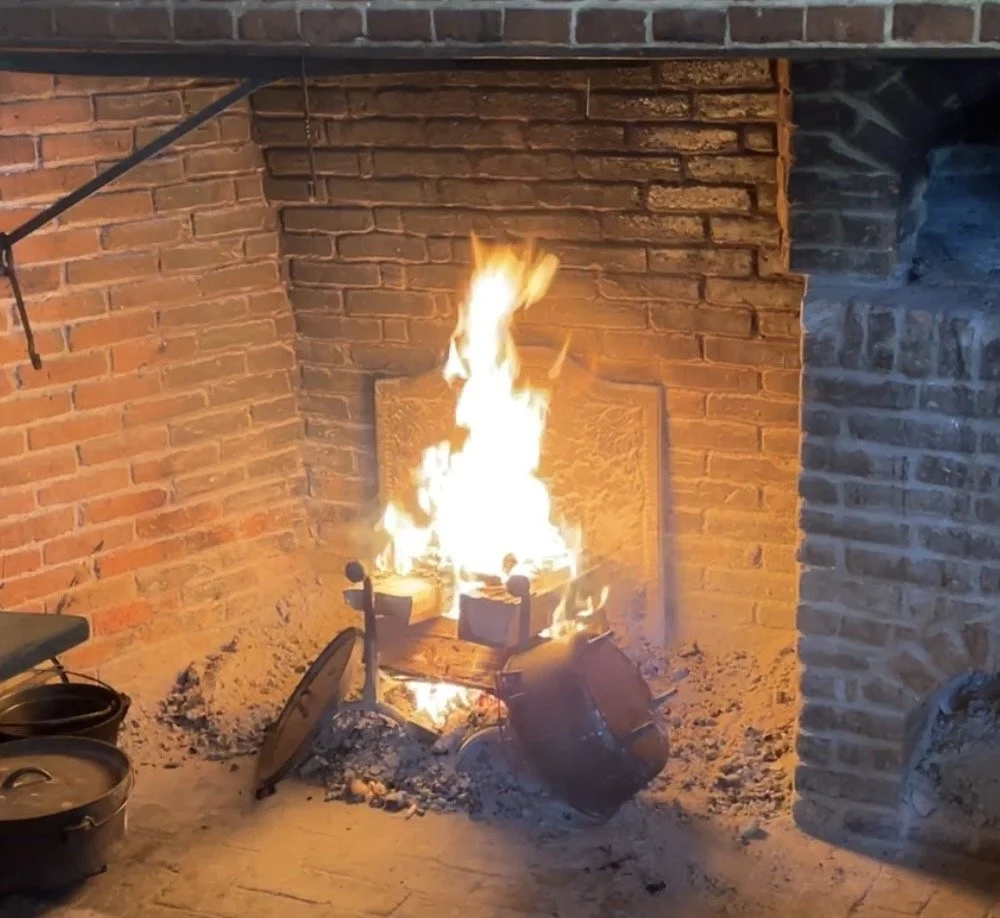
Heading West: Campfire Cooking on the American Frontier
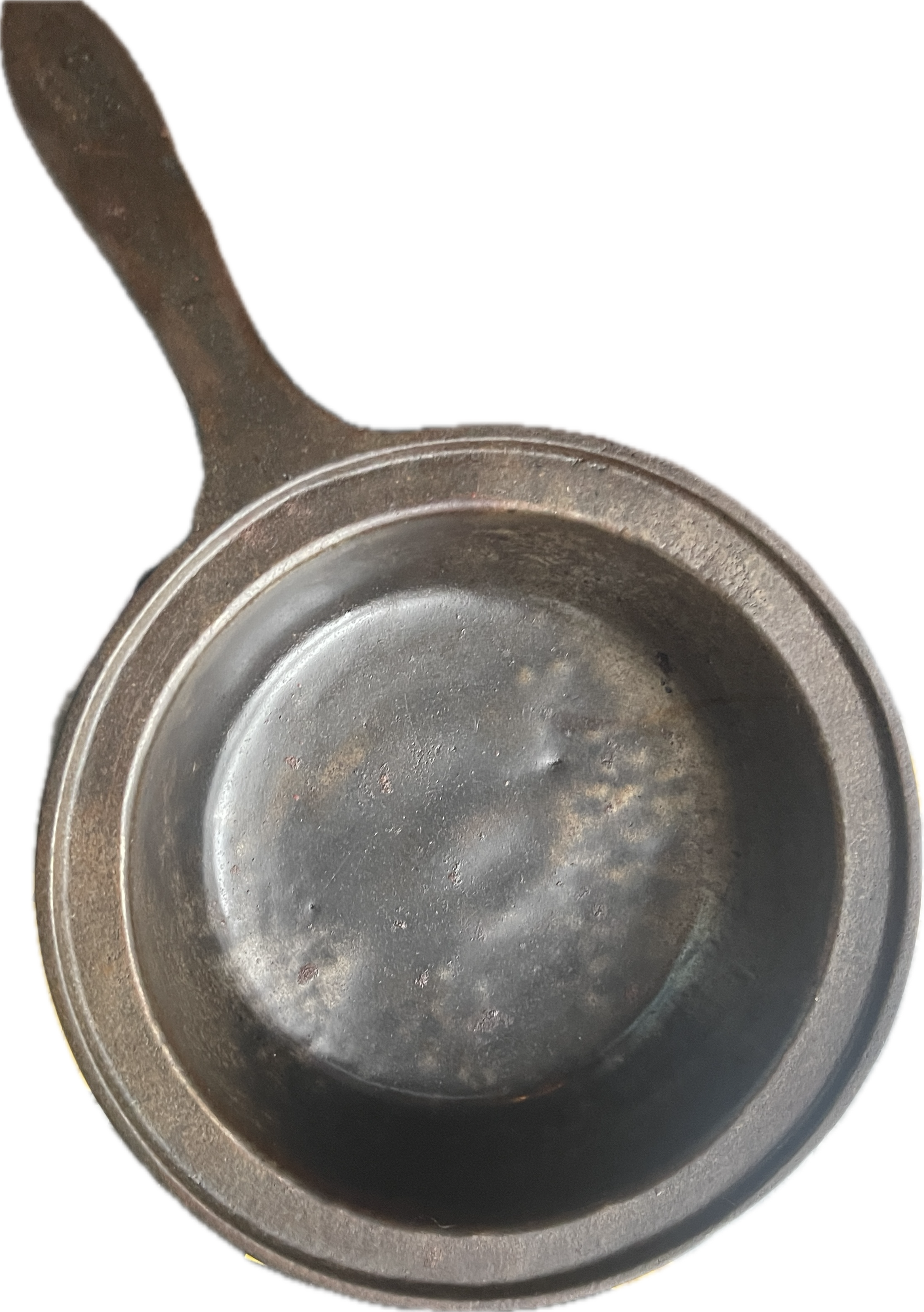
What did it take to feed a family on a six-month journey across the American frontier? Step into the daily lives of 19th-century emigrants as living history interpreter and historic foodways specialist Andrea Caluori-Barth prepares period recipes over an open fire using techniques common to travelers on the overland trails.
Andrea demonstrates recipes documented in period cookbooks and historical accounts from the 1850s through the 1890s. As the meal cooks, visitors discover how families planned for months on the trail, preserved food without refrigeration, and relied on livestock and draft animals to carry both supplies and their hopes for a new life in the West.
More than a cooking demonstration, this engaging program explores the essential role of women's work on the trail, the clothing worn during daily travel, the challenges of preparing meals under primitive conditions, and the ingenuity required to keep a wagon train moving. Throughout the program, Andrea encourages questions and discussion, creating an interactive experience for audiences of all ages.
Many of the recipes and techniques demonstrated can also be adapted for today's campfire and outdoor cooking, offering visitors practical inspiration alongside a deeper appreciation for the resourcefulness and resilience of America's westward emigrants.
Program Fee: Half-Day (3 hours or less) - $275-$350; Full-Day (3 -5 hours) - $500-$600
Open Hearth Cooking for the Modern Kitchen
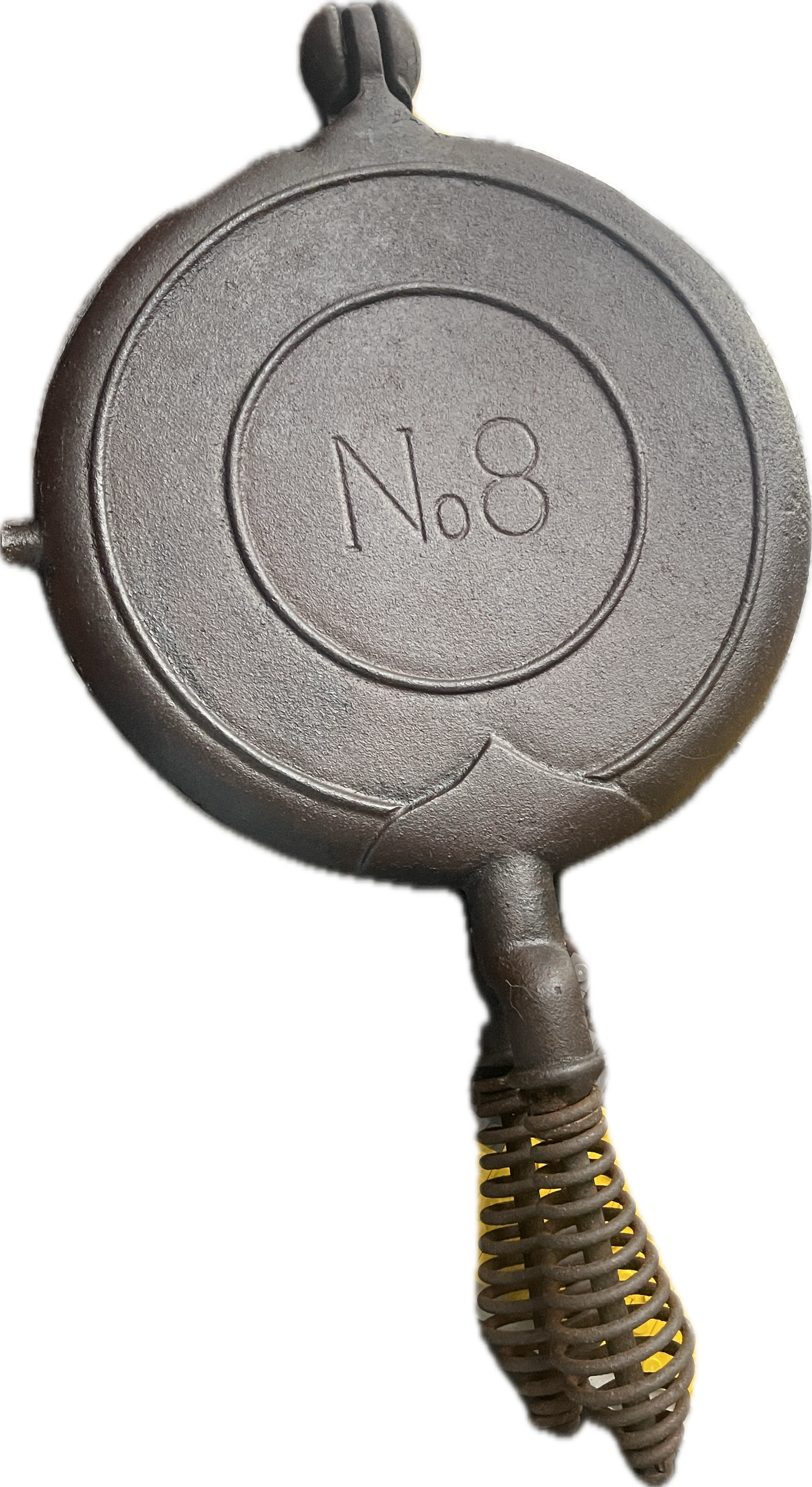
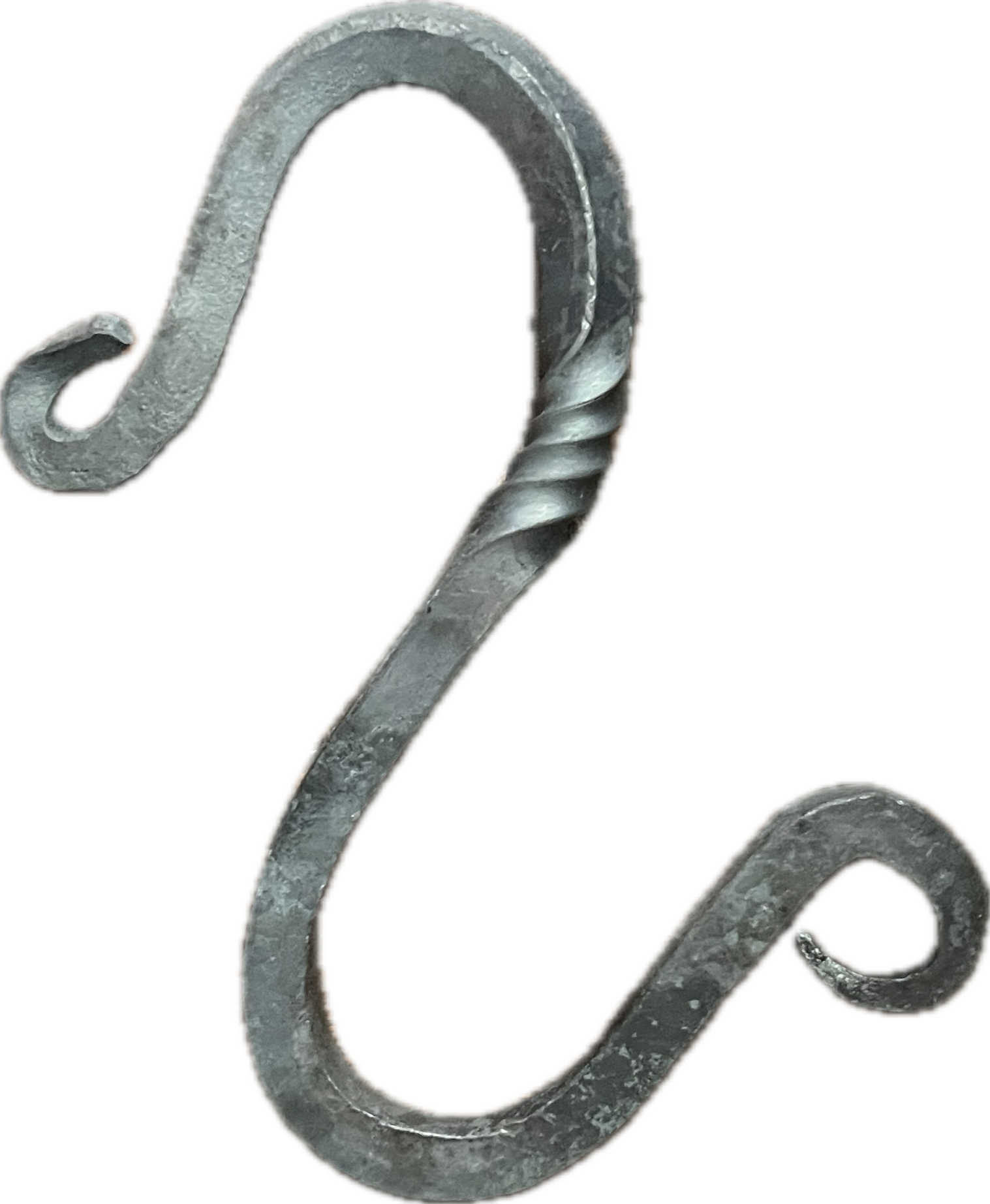
Discover how everyday Americans prepared meals before the convenience of modern stoves and appliances. In this engaging living history demonstration, historic foodways interpreter Andrea Caluori-Barth brings the hearth kitchen to life while preparing simple, flavorful recipes inspired by 18th- and 19th-century cookbooks and household traditions.
As the fire crackles and period recipes come together, visitors are introduced to the essential tools of the hearth kitchen, the techniques used by early American cooks, and the daily routines that revolved around the fireplace—the heart of the home. Along the way, Andrea shares the history behind historic "receipts" (recipes), explains how these dishes were adapted to seasonal ingredients, and explores the ingenuity required to cook before electricity and modern conveniences.
Designed with beginning hearth cooks and curious history enthusiasts in mind, this program demonstrates approachable recipes that can be easily recreated using today's kitchen equipment. Whether audiences are interested in historic cooking, early American domestic life, or simply trying something new at home, they will leave with a greater appreciation for the skills, resourcefulness, and traditions of the historic hearth. This program requires the institution to have a working hearth for use and can be done as either a demonstration or hands-on program for participants.
Program Fee: Half-Day (3 hours or less) - $275-$350; Full-Day (3 -5 hours) - $500-$600
Stitching Seams: The Treadle Sewing Machine
In this engaging living history demonstration, historic interpreter Andrea Caluori-Barth explores the remarkable treadle sewing machine and its role in everyday life during the late 19th and early 20th centuries.
Dressed in an authentic late 19th-century work dress, Andrea demonstrates sewing on a working 1911 Singer treadle sewing machine while discussing how these revolutionary machines transformed home sewing, clothing production, and household labor. Visitors will learn about the mechanics of treadle machines, the skill required to operate them, and the importance of sewing in an era when most garments were made, altered, and repaired at home.
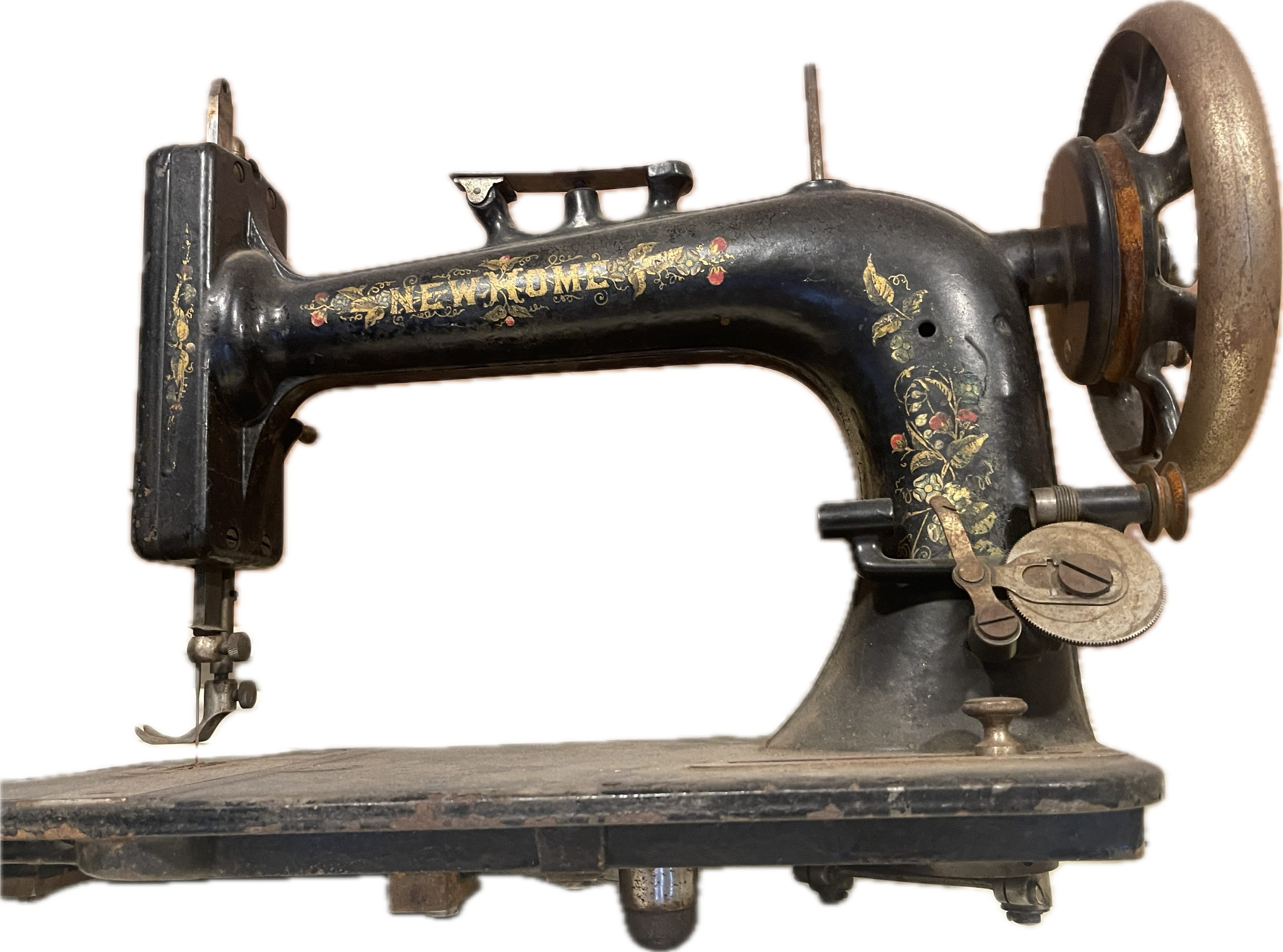
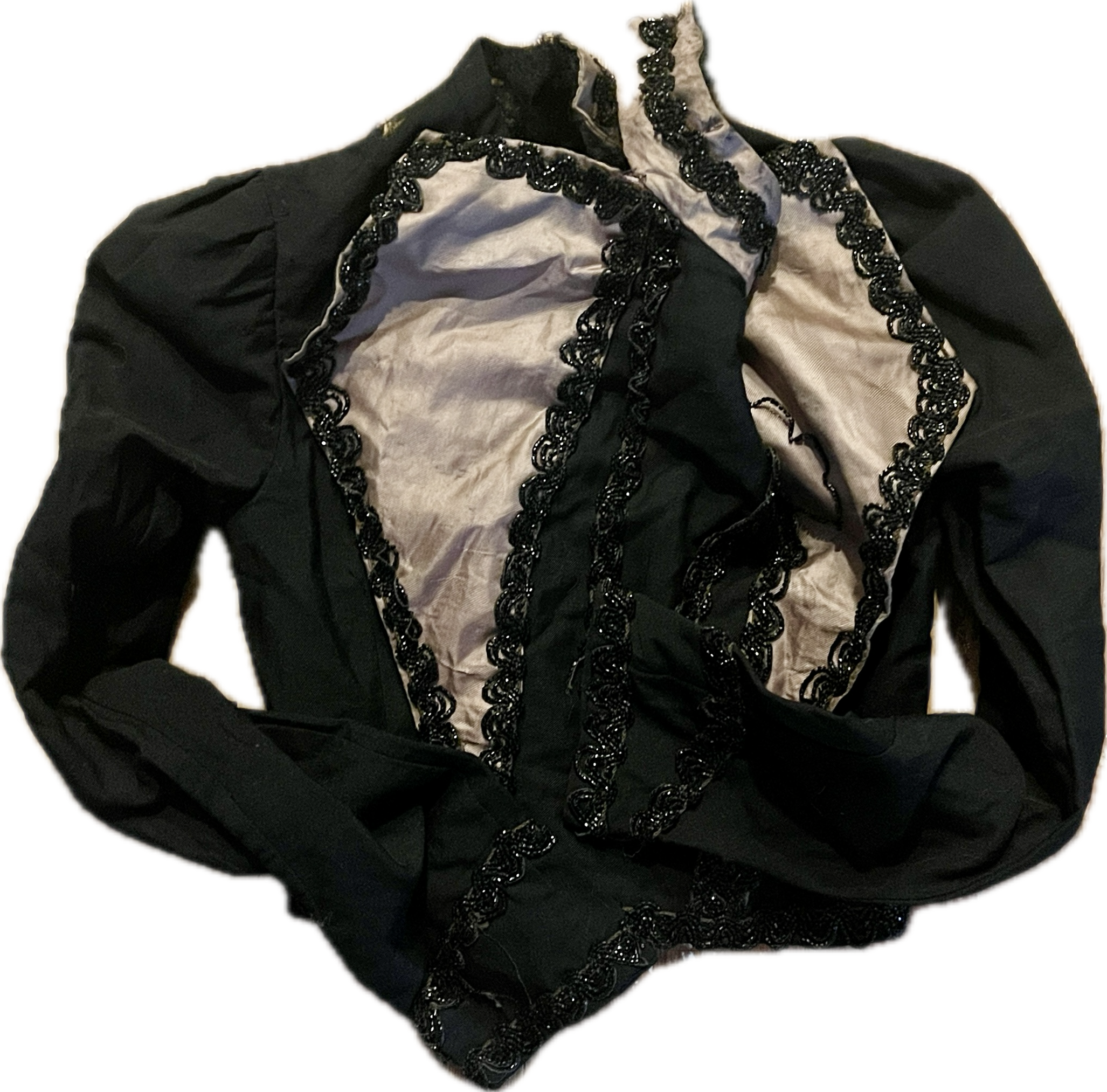
The demonstration also features examples of original historic clothing and textiles from Andrea's personal collection, along with an 1892 New Home treadle machine head, allowing visitors to examine period craftsmanship and ask questions throughout the program. This interactive, drop-in demonstration invites audiences to experience the sights, sounds, and rhythms of a technology that shaped everyday life for generations.
Ideal for museums, historical societies, holiday events, and heritage festivals, this flexible program encourages visitors to stop, observe, ask questions, and gain a deeper appreciation for the artistry, ingenuity, and enduring legacy of the treadle sewing machine.
Program Fee: Half-Day (3 hours or less) - $275-$350; Full-Day (3 -5 hours) - $500-$600
Wool & the Homespun Movement
Why did spinning wool become an act of patriotism during the American Revolution? In this interactive family program, visitors discover how ordinary Americans supported the cause of independence by producing homespun cloth and boycotting imported British textiles.
Designed as a hands-on, drop-in experience, participants of all ages are invited to explore traditional fiber arts while learning about the important role wool played in everyday life during the Revolutionary era. Visitors can try spinning with a drop spindle, weave on handmade weaving cards, examine examples of crewel (wool) embroidery, and learn how these everyday skills became symbols of self-reliance and resistance.
Participants may also create simple make-and-take projects, such as a lavender sachet to help protect clothing from moths or a small sheep ornament using wool, providing a fun way to connect with historic crafts and materials.
Only offered as a half-day program with fee of $300 to include materials cost.
Lectures/Talks
Are you looking for more of a lecture or talk style program? As an experienced researcher with a graduate degree in cultural studies I have put together some talks that combine my academic interests with my creative/interpretive work. The fee for all program talks is $250 + travel.
Anna Bingham of Stockbridge: A woman of gumption & grit in the 18th century
The first female litigant before the United States Supreme Court, this talk explores the life of Anna Bingham of Stockbridge, MA through her legal cases that span 1745-1805. Owner of Bingham Tavern in Stockbridge, MA this talk picks up where earlier historians left off and fills in the gaps on Bingham’s life.
Women & Their Horses: A partnership of labor and love
This talk explores the relationship between women and horses and how their labor was essential during westward expansion, WWI and WWII.
Stitching Seams: The Cultural History of the Sewing Machine
Invented in the 1840s the sewing machine has revolutionized the industrialization of clothing manufacture. While the history of the sewing machine is often retold through the stories of the men who invented it, this talk looks specifically at how women’s history and labor is connected to the machine’s domestic and industrial use. Beginning in the late 19th century to today, this talk is a brief cultural history of how the sewing machine has shaped our relationship with clothing and textiles. I often bring historic pieces from my personal collection of clothing and textile objects along with machine heads from an 1892 treadle machine and a 1910 treadle machine. I can bring my treadle machine for demonstrations after the talk, however this increases the program cost by $75.